


Why Your Muscles Shake When You Do Pilates?

If you've ever been in the middle of a Pilates class and your legs, arms, or abs started to shake, don't worry—it doesn't mean you're doing something wrong. On the contrary, it's a sign that your body is working intensely and effectively.
In this blog, we'll explain why this happens, what it means for your muscles, and how to use it to your advantage.

The Science Behind the "Shake"
When you perform a Pilates exercise, your muscles activate to hold a position or control a movement with precision. This constant effort causes muscle fibers to contract repeatedly and, sometimes, to fatigue faster than usual.
The shaking occurs because your nervous system is sending rapid signals to the fibers, telling them to keep working without rest. It's as if your body is saying, "We're at our limit, but we're still holding on!"
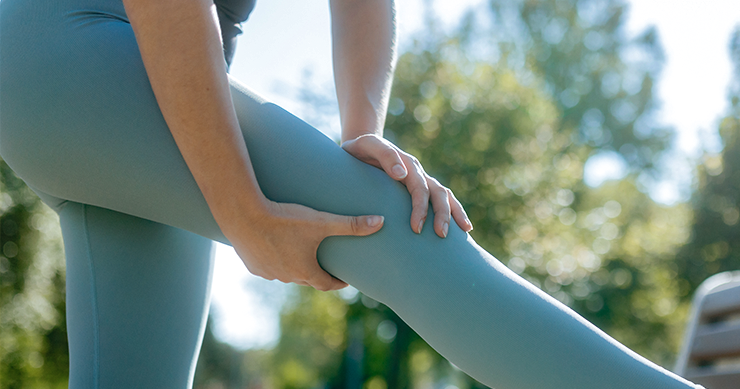
It’s Not Weakness, It’s Progress
Far from being a sign of weakness, the shaking indicates that you're recruiting deep muscle fibers—those you don't normally use in your daily life. In Pilates, this is fundamental because the goal is to work the stabilizer muscles, which support your posture and strengthen your core.
In fact, studies published in the Journal of Strength and Conditioning Research show that muscle tremors are directly associated with fatigue and the strengthening of both fast- and slow-twitch fibers, which contributes to better muscle performance and adaptation.

When to Be Concerned?
Shaking is normal and expected, especially if you're learning a new exercise or increasing the intensity. However, if the shaking is accompanied by sharp pain, dizziness, or a feeling of total loss of control, it's a good idea to stop, rest, and consult with your instructor to check your technique.

How to Handle It in Your Pilates Classes
Breathe consciously: Lateral breathing in Pilates helps oxygenate your muscles and reduces fatigue.
Embrace the challenge: If you're shaking, it means you're pushing your limits. Stay focused on your form.
Rest when you need to: Listening to your body is part of the Pilates philosophy.
Be consistent: With regular practice, the shaking will decrease as your muscles become stronger and more resilient.
Your muscles shake in Pilates because they are being challenged and activated at a deep level. It's a sign of progress, not failure. So the next time it happens, smile—your body is changing, strengthening, and adapting.
👉 At MindBody Pilates Studio, we know every movement counts. We'll help you overcome those shakes with safety, proper technique, and motivation so you can enjoy the journey toward a stronger, more balanced body.


Comments