


Common Pilates mistakes: signs you might be doing it wrong

There's a question that comes up far more often than you'd think in a Pilates class. It isn't always said out loud, but it's there: "Am I doing this right?" And it makes sense, because Pilates can look simple from the outside. The movements tend to be slow, controlled, and without big displays of effort. But once you start practicing, you discover something curious: the hard part isn't moving more, it's moving better.
Sometimes we finish a full class and end up thinking something went wrong because we shook, because we got tired, or because certain exercises never quite click. Other times it's the opposite: we go through every movement, but feel like the body never really connected with the practice. The good news is that the body tends to let us know when something needs adjusting.
When the neck works harder than the abdomen
One of the most common signs shows up in the neck and shoulders. Class ends and, instead of feeling the work in the body's center, you notice tension up top, as if you'd spent an hour shrugging your shoulders without realizing it. This often happens because the abdomen stopped participating, and the body looked for help wherever it could find it. The neck tries to stabilize, the shoulders tense up, and they end up doing work that isn't theirs to do.
It doesn't mean you're doing Pilates "wrong." It means your body is trying to solve the movement the best way it knows how. And that's where the practice gets interesting: learning new ways to organize effort.

When everything happens too fast
We live in a hurry. We eat fast, walk fast, reply to messages fast. So it's no surprise that we also try to do Pilates fast. But Pilates works on a different logic. It's not about finishing sooner. It's about being able to feel what's happening while you move.
When we rush the exercises, the body tends to rely on momentum. We stop controlling the movement and simply start completing it. And even though it might look fine from the outside, on the inside, much of the work that makes the method so special gets lost. Progress often doesn't show up when you do more repetitions. It shows up when you do one repetition with real attention.
When breathing disappears
There's something that tends to happen without us noticing: we're focused on the exercise and, suddenly, we stop breathing naturally. We hold our breath, tense up, and the movement starts to feel heavier. Breathing isn't there to complicate the practice. It's there to help the body organize itself.
When you breathe fluidly, movement becomes more fluid too. There's less unnecessary tension and more of a sense of control. So if you ever lose your way during an exercise, coming back to your breath is usually a good place to start. (We go deeper into this in The Myths Around Breathing in Pilates.)
When the lower back starts to complain
The back tends to be a great messenger. If tension or discomfort shows up in the lumbar area during practice, it often doesn't mean the back is the problem. It's frequently a sign that the body's center stopped supporting the movement, and the back had to take on more load than it needed to.
This is very common, especially when you're still learning. That's why Pilates isn't about reaching further or lifting your leg higher. It's about finding a range of motion where the body can feel stable and safe. Sometimes doing less is exactly what allows you to progress further.
When you feel like nothing is happening in your abs
Interestingly, another common sign is the opposite one. People finish a class thinking, "I didn't feel anything in my abs." And that often happens because other areas are taking over. The legs, hips, or even the shoulders do the effort while the center stays disconnected.
Pilates practice isn't about tightening your abs the whole time. It's about learning to find them when you actually need to. And that takes patience.
Shaking isn't always a bad sign
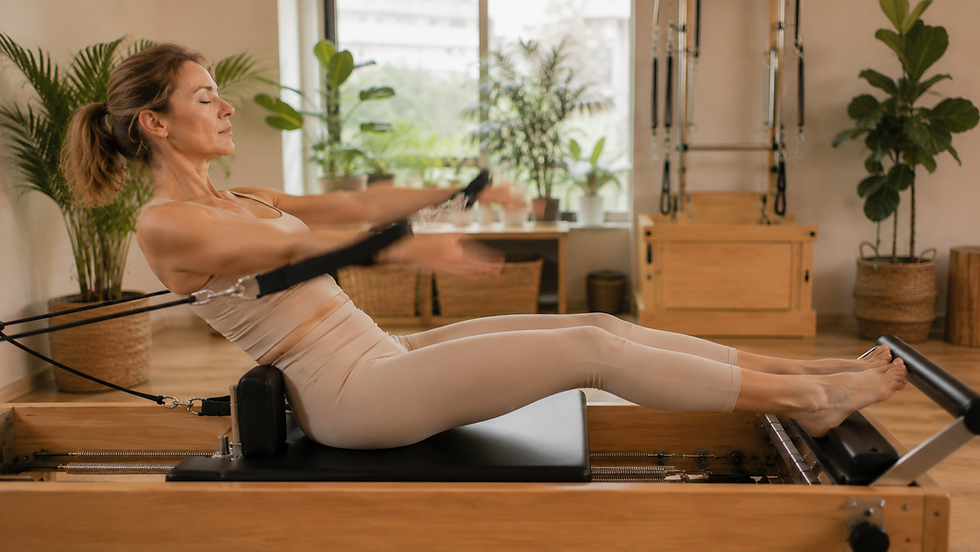
There's something that tends to worry beginners: the shake. That feeling of a leg trembling, arms shaking, or holding a position feeling more challenging than expected. But that shake often isn't about weakness. It's about learning.
It's about deep muscles waking up and participating in a different way. It's not always comfortable, but it's usually part of the process. (If this happens to you often, you might enjoy reading about why your muscles shake when you do Pilatesand the signs you're truly progressing in Pilates.)
Pilates is also a practice of attention
Sometimes the challenge isn't in the body, but in everything we carry inside our heads. You start class thinking about errands, unanswered messages, or something that happened during the day. You keep moving, yes, but part of you stays somewhere else. And that's exactly where Pilates has something special to offer. It doesn't ask you to empty your mind or concentrate perfectly. It simply invites you to return, again and again, to the present moment, to your breath, to your movement, and to the sensations in your body. Little by little, that attention becomes a skill that follows you outside the studio too.
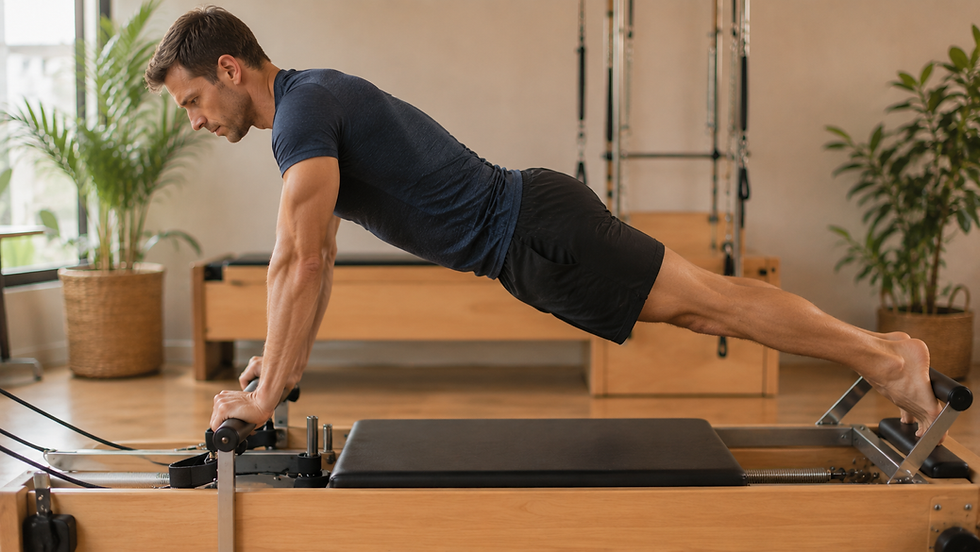
Pilates at Mindbody
At Mindbody, we believe Pilates isn't about executing perfect movements. It's about developing a kinder, more conscious relationship with your body. That's why our classes are designed to accompany you through your process, respecting your pace, your experience, and the unique way you learn to move. If you feel like you need more personalized attention to correct these details, our private sessions are a great place to start.
If you've ever felt like something isn't quite clicking in your practice, remember this: progress doesn't always mean pushing harder. Many times it means pausing for a moment, listening to what your body is trying to tell you, and giving it the space to respond differently.
📍 Roma Norte, CDMX
🕰️ In-person classes, beginner-friendly
Because real progress in Pilates doesn't show up when everything goes perfectly. It shows up when you start to know yourself better, move with more confidence, and feel your body working with you, not against you.


Comments